

 Kids and Worms: Vermox Treatment Explained Simply
How Vermox Works Against Common Intestinal Worms
A child’s bright curiosity sometimes brings tiny unwelcome guests, and explaining treatment helps families relax.
Vermox paralyzes worm muscles and prevents them from absorbing sugar, causing the parasites to detach and pass out naturally.
It works against common intestinal worms like pinworms, roundworms and hookworms after a short course, usually a single dose or a few days depending on age.
Parents see quick symptom relief and fewer reinfections when medicine is combined with hygiene; always follow pediatric dosing and checkups and contact your doctor if symptoms persist or worsen promptly.
| Worm | Effect |
|---|---|
| Pinworms | Paralysis and expulsion |
Recognizing Worm Symptoms in Curious Little Patients

At night a child may scratch, wake often and complain of belly aches, small clues parents learn to watch.
Visible worms are rare, but symptoms include poor appetite, weight loss, irritability and perianal itching, especially after dark.
Stool changes or finding eggs on underwear can prompt a doctor visit; clinicians often prescribe vermox after confirmation or strong suspicion.
Keep a calm tone, photograph any findings, and seek guidance promptly—early treatment and simple hygiene stop spread and ease kids quickly. Parents should note fever or blood in stool needs urgent care.
Safe Dosage Guidelines for Children by Age
At bedtime Emma studied the little bottle, relieved that vermox had been prescribed but careful about giving the right amount. Check age and weight, and use the pediatrician’s recommendation or label instead of guessing — safety first.
For infants under two, always call your doctor before use. Toddlers and preschoolers need dose adjustments by weight; school-age children receive a single dose with a repeat in two weeks for pinworms. Teens usually follow adult directions with supervision.
Measure liquid forms carefully with the syringe provided; crushable or chewable tablets should be given as directed and never split without advice. If you’re unsure about timing, interactions, or symptoms after taking vermox, contact your pediatrician for your child.
How to Give Vermox Without a Battle
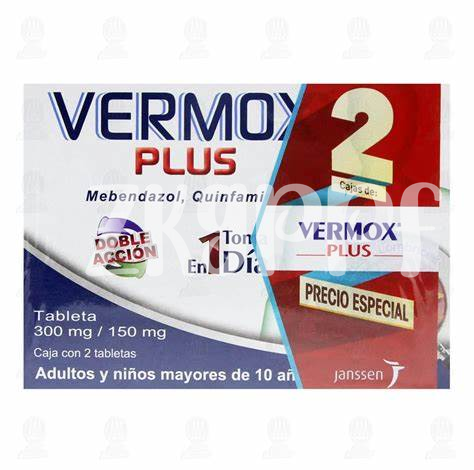
Turn medicine time into story time: tell a short heroic tale about tiny invaders and a brave tablet. Let your child hold the vermox, so it feels less scary and more involved.
Mix crushed tablet with a spoonful of applesauce or yogurt if appropriate, offer a drink immediately, or use a favorite cup. Praise bravery and avoid threats; keep calm and positive.
Let them choose a small reward and ensure clear explanation of why treatment matters. If resistance continues, talk with your pediatrician for gentle alternatives and reassurance and support.
Possible Side Effects and When to Worry
Most children tolerate vermox well, but treatments can bring mild reactions. Expect transient stomach ache, nausea, or a slight headache. These often fade within a day or two and don’t usually need extra care though
Rarely, more serious signs appear and warrant attention. Persistent vomiting, high fever, rash, yellowing of skin or eyes, severe abdominal pain, or changes in consciousness require contacting a healthcare provider immediately for evaluation and guidance.
Children with known liver problems, illnesses, or allergies may need extra caution. Tell the doctor about other medications, supplements, or prior reactions before starting vermox; dosing or monitoring can be adjusted to keep treatment safe.
If a severe reaction occurs, stop the medicine and seek emergency care immediately. For mild effects, provide fluids, rest, and pain relief as advised. Follow up with your pediatrician to confirm recovery and next steps.
Preventing Reinfection: Hygiene Tips for Families
After finishing the medication, we made keeping tiny hands clean into a game: sing a 20-second song while washing with soap and warm water, especially after toilet visits and before meals. Trim fingernails short, change underwear and pajamas each morning, and wash bedding, towels and soft toys in hot water to remove any eggs that might linger.
Remind siblings not to share towels or toothbrushes, discourage nail-biting and thumb-sucking, and clean frequently touched surfaces and toilet seats daily. If one child reinfects repeatedly, talk with your pediatrician about treating the whole household and rechecking symptoms. Consistent routines, clear rules and gentle reminders make reinfection far less likely and help guard your family's well-being every season.