

 Proper Inhaler Technique: Maximize Ventolin Effectiveness
Master the Breath: Preparation before Each Puff
Imagine standing calm, inhaler ready. Exhale fully to make room for the medicine and steady your breathing before each puff.
Hold the device upright and check the dose counter; a settled posture improves aim and reduces waste.
Pause briefly after shaking. A focused mind helps time the actuation with a smooth inhalation, maximizing lung deposition.
Practice this rhythm until it feels natural; small preparations can make each puff far more effective.
| Step | Quick tip |
|---|---|
| Prepare | Exhale fully; steady posture |
| Actuate | Inhale slowly as you press |
| Spacer | Use with young children |
Shake, Load, and Aim: Positioning for Success
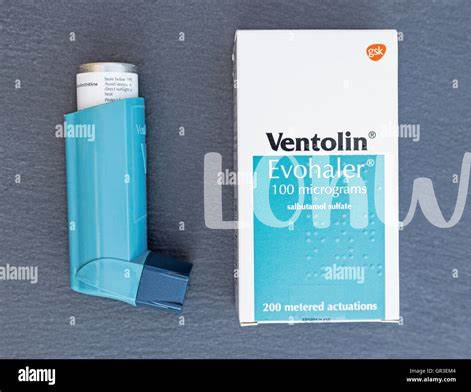
I grab my ventolin inhaler, giving it a firm shake to mix the medicine. Removing the cap, I check the mouthpiece for debris. Holding the canister upright helps keep the dose consistent and predictable each time.
I position the mouthpiece between my teeth and seal my lips, or hold it slightly away if using a spacer. Exhaling fully first creates room for the medicine to travel deep into my lungs safely.
At the moment of actuation I start a slow, deep inhalation, keeping my head slightly tilted back. Holding my breath for ten seconds lets the particles settle where they’ll do the most good effectively.
After exhaling slowly I replace the cap and note the dose counter. Practicing this positioning each time reduces waste, improves control during flare-ups, and makes the ventolin inhaler more reliably effective for everyday use now.
Timing Matters: Coordinating Inhale with Actuation
Waiting for relief, you lift the inhaler and notice how small timing differences change everything. A single well-timed puff can feel like clearing a room of fog; a mistimed one may drift past and disappear. Good timing increases drug delivery to small airways.
Before using a ventolin inhaler, exhale fully, then begin a slow deep inhale. As your breath starts, press the canister once and continue inhaling steadily to the bottom of the lungs. Hold your breath for about ten seconds to let particles settle. Do not rush this pause.
Common pitfalls are pressing too early or inhaling too fast—both waste medication and reduce benefit. Practice coordination standing upright, or use a spacer if synchronization is difficult, and count seconds in your head until it becomes second nature. If symptoms persist, seek medical review rather than increasing puffs. be steady.
Slow Deep Inhalation Versus Quick Puffs Explained

In clinic I watch a small performance: a slow, deep breath draws medication to the lower airways, while a hurried puff often settles in the throat.
For a ventolin inhaler, coordinating actuation with a calm inhalation allows particles to travel deeper and act faster; short puffs can waste dose and tug at taste.
Practice makes reliable breathing: inhale slowly for five to ten seconds after pressing, hold for ten, then exhale. With consistent technique your rescue inhaler will feel more predictable and less frustrating during attacks and faster relief follows.
Spacer Use: When and How to Improve Delivery
A spacer creates distance between mouth and aerosol, turning frantic puffs into calm medicine delivery. It slows particle speed, raising chances medicine reaches small airways.
Use a spacer with a ventolin inhaler for children, seniors, or anyone who struggles with timing. A valved spacer helps coordination further.
Sit upright, seal lips around the mouthpiece, actuate once per breath, then inhale slowly and hold for about ten seconds.
Clean regularly and check for cracks; spacers reduce oropharyngeal deposition and improve lung delivery when used correctly. Ask clinician for spacer size advice.
| Benefit | Quick Tip |
|---|---|
| Improved lung dose | One puff per breath, hold 10s |
Common Mistakes That Waste Your Medication
He clicked, aimed at the ceiling, and inhaled too quickly, thinking he’d taken the dose. Missteps like forgetting to shake or exhaling into the device send medicine away from lungs.
Timing errors, failing to coordinate actuation and inhalation, and exhaling immediately afterward reduce drug deposition. Skipping priming or failing to hold breath further diminishes delivered dose on every single puff.
Simple checks: shake and prime, inhale slowly while coordinating actuation, then hold your breath. Use a spacer when recommended, and track doses so fewer puffs end wasted and symptoms improve.