

 Trazodone Dosage Guide: Finding Your Optimal Dose
How Trazodone Works: Mechanisms and Common Uses
At night, many people discover a calmer mind after a dose; the drug nudges serotonin signaling while blocking certain receptors, which eases insomnia tied to depression and anxiety. Unlike stimulants or benzodiazepines, it acts subtly, reshaping neurotransmitter balance rather than inducing immediate sedation and improving sleep continuity.
Clinically, it’s prescribed for major depressive disorder and off-label for insomnia, chronic pain-related sleep disruption, and certain anxiety symptoms. Its antidepressant effects emerge over weeks, while hypnotic benefits can appear sooner; dosing and timing influence whether mood or sleep improvements predominate. Individual response is often variable.
Providers choose doses from low nightly amounts for sleep to higher divided doses for depression; common side effects like dizziness, dry mouth, and daytime grogginess guide adjustments. Regular follow-up helps refine dose, balancing symptom relief against tolerance, safety, and day-to-day functioning. Discuss risks, goals, and expectations regularly.
| Mechanism | Common Use |
|---|---|
| Serotonin modulation & receptor antagonism | Depression, insomnia, anxiety |
Starting Doses Explained: Finding Your Safe Baseline

When you first try trazodone, clinicians usually begin low and slow—often 25 to 50 mg at bedtime for sleep or 150 mg daily in divided doses for depression. Starting doses reflect the condition treated, age, medications, and organ function. A cautious baseline helps minimize daytime drowsiness, orthostatic hypotension and rare but serious risks while allowing evaluation of benefit.
After a week or two, clinicians reassess and may increase by small increments until symptoms improve. In older adults or those with liver disease, starting lower and titrating more slowly reduces adverse effects. Keep a log of sleep, mood and side effects, and report concerns promptly; personalized adjustment is how patients and clinicians find the safest dose.
Adjustments and Titration: Refining the Effective Dose
When beginning trazodone, think of dosing like tuning a radio: small, deliberate changes reveal the clearest signal. Clinicians often start low, commonly 25 to 50 mg at night for insomnia or 150 mg for depression, and wait several days to assess sleep, mood, and daytime alertness before modifying the regimen.
Adjustments are typically incremental: increasing by 25 to 50 mg every 3 to 7 days allows evaluation of benefit versus side effects such as sedation, orthostatic hypotension, or priapism, which is rare. Rapid jumps can obscure whether improvements stem from dose or natural course, so paced titration clarifies effects and reduces risk.
Keep a symptom log, report troublesome effects promptly, and discuss medication interactions and goals with your prescriber or pharmacist. Aim for the lowest effective dose that restores daytime function and sleep without compromising safety or quality of life.
Special Populations: Elderly, Liver Disease, Pregnancy Considerations
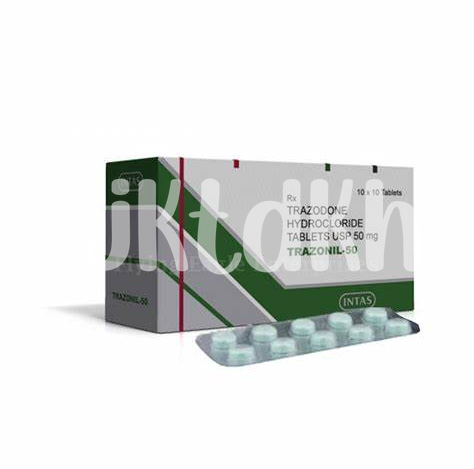
In older adults, physiological changes often slow drug metabolism, so clinicians typically start trazodone at a lower dose and titrate slowly to reduce sedation, orthostatic hypotension, and fall risk.
When liver function is impaired, trazodone clearance falls; dose reductions, periodic liver tests, and careful review of interacting medications are important to prevent accumulation and toxicity.
During pregnancy, the risks and benefits must be weighed—data are limited—so prescribers discuss potential effects, timing, and alternatives, and plan postpartum and breastfeeding strategies.
An honest dialogue with your clinician, plus a symptom-and-side-effect diary, helps tailor dosing safely across these situations and supports timely adjustments if problems arise. Never stop or alter doses abruptly; always consult your prescriber before changing.
Managing Side Effects and Recognizing Red Flag Symptoms
I've watched patients describe the first nights after starting trazodone as foggy yet hopeful, and that blend matters. Expect drowsiness, dry mouth, or dizziness early on; they often ease with time. Keep a symptom log and avoid alcohol or driving until you know how you respond.
Red flags include fainting, priapism, severe mood swings, or breathing trouble, seek immediate or urgent care if they occur. Discuss dose changes, interactions, and alternatives with your prescriber or pharmacist; small adjustments can improve benefit-risk balance.
| Symptom | Action |
|---|---|
| Priapism | ER |
| Dizziness | Hydrate |
| Fainting | Stop |
Tips for Conversations with Prescribers and Pharmacists
Before the visit, jot down current symptoms, other medicines, and sleep patterns; a clear list helps your prescriber make safer dosing decisions and shows practical priorities for review.
Ask specific questions: expected timeline to effect, common side effects, interactions with alcohol or OTCs, and whether dose adjustments should be scheduled or decided by symptom tracking and monitoring.
Tell your pharmacist about allergies, herbal supplements, and kidney or liver issues; their expertise can catch interactions, advise timing, suggest pill-splitting rules, and confirm generic equivalence and insurance coverage.
Agree on concrete follow-up: when to report severe symptoms, who to call after hours, and a clear plan for tapering, emergency signs, or dose escalation if needed with documentation.