

 Tamiflu for Kids: Safety and Dosage Guide
Understanding How Oseltamivir Works in Children
A child’s fevered morning can feel urgent, and oseltamivir acts like a targeted response rather than a blanket fix. As a prodrug it converts to an active compound that blocks the influenza neuraminidase enzyme, limiting viral spread between respiratory cells. When started early — ideally within 48 hours of symptoms — it can shorten illness and lower the risk of complications such as pneumonia.
Children convert the medication efficiently, but kidney function and weight guide dosing and duration; infants and young kids require liquid formulations and careful measurement. Side effects are usually mild — nausea or vomiting — and benefits outweigh risks when prescribed correctly. Always follow a clinician’s instructions and monitoring and start treatment promptly for best outcomes.
Age Limits, Approvals, and Prescribing Considerations

When a fevered child reaches for comfort, parents often ask whether tamiflu is appropriate. Approved for infants and children at certain ages and weights, it’s important to follow regulatory guidelines and the prescribing clinician’s judgement. Early treatment—ideally within 48 hours of symptom onset—can reduce complications and speed recovery.
Pediatricians weigh benefits versus risks, considering chronic conditions like asthma or heart disease that increase flu severity. Dosing varies by age and weight; liquid formulations help with younger children while capsules may suit older kids. A clear treatment plan should include monitoring for side effects and ensuring adherence to full course.
When in doubt, consult your child’s healthcare provider rather than relying on past prescriptions or online advice. Proper documentation of allergies, current medications, and vaccination status helps prescribers choose the safest course. Timely, informed decisions keep children safer and families reassured.
Correct Dosing by Weight and Age Charts
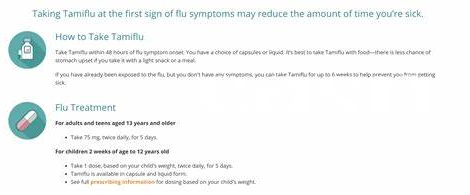
At the first sign of fever and achiness, many parents search for clear numbers — how much medicine to give, and when. Dosing for children is determined primarily by weight, with age serving as a secondary guide; tamiflu comes in liquid and capsule forms so caregivers can match formulation to a child’s size and swallowing ability.
Typical pediatric doses range from about 30 mg to 75 mg twice daily depending on weight bands (for example, lower doses for under 15 kg, mid doses for 15–23 kg, higher for 23–40 kg), while infants under two weeks usually need specialist input. Always follow your prescriber’s written instructions.
If dosing is uncertain, call your pediatrician or pharmacist rather than guessing — an accurate weight measurement and adherence to the schedule improve effectiveness and reduce risks. Bring the medication syringe to appointments for verification.
Common Side Effects and When to Worry
When a child starts tamiflu, parents often notice mild nausea or vomiting; these usually ease after a day or two and aren't alarming.
Diarrhea, headache, or dizziness can appear; give fluids and rest, and contact your pediatrician if symptoms persist beyond 48 hours, especially in infants or children with chronic illness.
Rarely, neuropsychiatric changes like confusion or unusual behavior occur — seek urgent care if your child shows sudden agitation or hallucinations.
If breathing worsens, rash, swelling, or signs of allergic reaction develop, stop the medicine and get emergency help immediately.
Drug Interactions, Allergies, and Medical Precautions
When a child receives tamiflu, caregivers should tell clinicians about all other medications, vitamins, and herbal remedies. Some drugs can alter how antiviral medications work, so a medication list helps clinicians prevent unexpected interactions and choose safe alternatives.
Allergic reactions may be rare but can be serious: watch for hives, swelling, difficulty breathing, or sudden behavioral changes. If any of these occur, stop the medicine and seek medical help immediately; document the symptoms for future prescribing.
Discuss chronic conditions like kidney disease or seizure history before starting treatment. Dosing adjustments, monitoring, or alternative therapies might be recommended. Keep follow-up appointments, report any worsening symptoms promptly, and ask the prescriber about vaccines that could affect therapy.
| Concern | Advice |
|---|---|
| Other meds | Consult clinician |
| Known allergy | Avoid and seek alternatives |
Practical Tips for Administering Medicine at Home
A parent cradled their feverish child, measuring oseltamivir with the supplied oral syringe and speaking softly. Use the syringe, confirm the label, and match the dose to weight every time.
Give doses at consistent times, and consider giving with food to reduce stomach upset. Store suspension per instructions, shake well, discard after recommended period, and finish the full prescribed course.
If vomiting occurs within thirty minutes, repeat the dose once; if vomiting continues, contact your clinician. For missed doses follow instructions, and seek immediate care for severe or unusual reactions.