

 Correct Symbicort Inhaler Technique Everyone Should Know
Know Your Symbicort: Metered-dose Inhaler Basics
Imagine holding a small, powerful device that delivers relief in measured puffs. Symbicort is a metered-dose inhaler made of a pressurized canister seated in a plastic actuator with a mouthpiece and a dose counter. Each press releases a precise microdose of medication; knowing the canister, actuator, and counter helps you recognize when it’s nearly empty and ensures predictable dosing.
Check the label for active ingredients and the dose counter before use, and learn whether your inhaler requires shaking or priming. Treat the device like a delicate instrument: keep the mouthpiece clean, store at room temperature, and report unusual sounds or sprays to your clinician to maintain effectiveness and safe, reliable symptom control and routine checks.
Shake, Prime, and Check Canister before Use
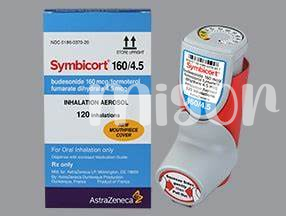
Before each puff, imagine preparing a small engine for smooth operation: give the inhaler a firm shake to mix medication and propellant, ensuring an even dose. If the device is new or untouched for several days, spray one or two test puffs away from your face to prime it; this prevents weak or inconsistent doses. Always glance at the dose counter and expiry date so you know the device will deliver the correct amount.
When using a symbicort inhaler, sit upright and exhale away from the mouthpiece before bringing it to your lips. Seal lips around the mouthpiece, press the actuator while inhaling slowly and deeply, then hold your breath for several seconds. If you miss a puff or suspect an incomplete dose, wait the prescribed interval and try again rather than doubling up; tell your clinician about repeated problems.
Exhale Fully Away from Mouthpiece Every Time
Picture a sail filling with wind; clearing your lungs first makes room for the medicine to travel deep. A full, gentle outbreath before you actuate ensures the inhaled spray reaches small airways rather than lingering near the throat.
When using a symbicort inhaler, this step improves deposition and reduces wasted doses, so you get the full benefit from each puff.
Also exhaling away stops moisture and warm breath from fogging the canister and lowers contamination risk, keeping performance consistent over time.
Practice a smooth rhythm: remove the device from your lips, breathe out completely, then bring it back, actuate as you inhale slowly and hold briefly. Repetition builds confidence and reduces technique errors for safety
Seal Lips, Press Actuator, Inhale Slowly Deeply

Imagine the calm before each breath: bring the inhaler to your mouth, position it comfortably, and prepare to coordinate actuation with a slow, deep inhalation so the medication reaches small airways. Timing is the key to effectiveness; practice makes the motion feel natural and reduces rushing.
Avoid quick shallow breaths and maintain a steady, controlled pace. If you use a spacer, follow device-specific steps. A well-coordinated delivery from your symbicort inhaler reduces wasted doses, improves symptom control, and limits oral side effects. If unsure, ask your clinician for hands-on coaching.
Hold Breath for Ten Seconds after Inhalation
Imagine inhaling relief and pausing as if savoring a moment of calm; that pause lets medicine settle where it’s needed. After pressing the canister and drawing in air with your symbicort inhaler, resist the urge to exhale immediately. This gentle stillness increases deposition in the lungs, improving control and reducing throat deposition.
Try counting slowly to ten while holding your breath; even a few extra seconds make a measurable difference. If you struggle, practice timing separately or use a phone timer until it becomes natural. For children or those needing assistance, exhale slowly after a comfortable pause and consult your clinician for tailored advice to ensure each dose of the inhaled medication is most effective.
| Tip | Why |
|---|---|
| Count to 10 | Improves lung delivery |
Rinse Mouth, Clean Device, Track Daily Doses
After each use, swirl water around your mouth and spit to reduce irritation and local side effects; this simple habit protects oral tissues.
Clean the mouthpiece regularly: detach, rinse under warm running water, dry completely before reassembling. Avoid soaking canister or exposing it to heat.
Track treatments with the built-in counter or an app, mark a calendar, and set reminders to prevent missed or extra sprays.
Small routines safeguard your breathing plan and improve outcomes. If unsure about technique or device care, consult your clinician for hands-on advice and clarification.