

 Reglan Interactions: Drugs and Foods to Avoid
Prescription Drugs That Amplify Movement Disorder Risks
Combining certain prescription drugs can turn a manageable side effect into a persistent movement problem. Drugs that block dopamine such as older antipsychotics, many antiemetics, and agents that raise drug concentrations by inhibiting liver enzymes increase the risk of acute dystonia, akathisia, and tardive dyskinesia. Risk grows with higher doses, longer exposure, concurrent dopamine blockers, advanced age, and preexisting neurological vulnerability.
Talk openly with your prescriber and pharmacist about all medications to spot additive risks and consider safer alternatives or dosage adjustments. Monitoring for early signs such as facial twitching, restlessness, unusual involuntary movements or difficulty swallowing allows prompt action like dose reduction, switching to lower risk agents or adding symptomatic treatments. Never stop or change prescriptions abruptly; informed coordination and periodic reassessment can greatly reduce long term movement complications. Report any new signs immediately to enable faster intervention now.
| Drug class | Potential effect on movement |
|---|---|
| First‑generation antipsychotics | High risk of EPS and tardive dyskinesia |
| Anti‑emetics (dopamine blockers) | Acute dystonia, parkinsonism |
| CYP inhibitors (e.g., some antifungals, macrolides) | Increase drug levels, amplifying movement risks |
Common Psychiatric Medications and Dangerous Combined Effects
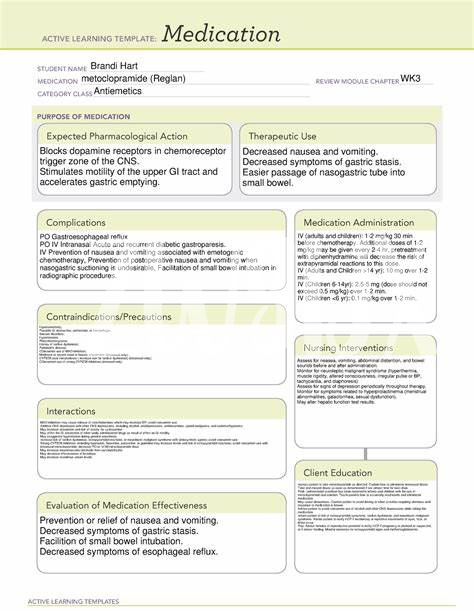
When Laura started a new antipsychotic while taking reglan for nausea, she noticed stiff limbs and uncontrollable grimacing within days.
This happens because many psychiatric drugs block dopamine; adding another dopamine antagonist can amplify extrapyramidal symptoms, increasing risk of acute dystonia, parkinsonism, or tardive dyskinesia. Antidepressants and mood stabilizers may alter metabolism or amplify side effects, so vigilance is needed.
Some combinations can rarely precipitate serious syndromes such as neuroleptic malignant syndrome or marked sedation when sedatives are also prescribed. Always report new involuntary movements, high fever, or severe stiffness immediately.
Work with your prescriber to reassess medications, adjust doses, space therapies, or switch to lower‑risk alternatives and schedule close follow‑up and regular lab monitoring.
Painkillers Sedatives and Alcohol Increase Drowsiness Risk
An afternoon nap turned dangerous for one patient who mixed an opioid, a benzodiazepine and reglan; the combined central nervous system effects left them severely disoriented and overly sleepy. Even when each drug seemed tolerable alone, together they amplified sedation, slowed reflexes, and impaired judgment.
Always tell clinicians about all painkillers, sleep aids and alcohol use before starting reglan; choose non-sedating alternatives where possible, lower doses, or stagger timing. If drowsiness emerges, stop driving, avoid operating machinery, and seek immediate medical advice to adjust medication safely and review interactions regularly.
Herbal Supplements and Otc Drugs Causing Unexpected Interactions

I once watched a friend start reglan while taking St. John's wort and nightly valerian tea; within days she felt unusually sleepy and off-balance. Supplements can change drug effects.
Herbal sedatives (kava, valerian), OTC antihistamines and motion-sickness remedies can worsen drowsiness, cognitive slowing, or movement symptoms when paired with prokinetic drugs. St. John's wort may alter metabolism, reducing or raising levels.
Always tell your clinician and pharmacist about herbs and OTCs; review labels for sedative or enzyme‑altering warnings, space dosing when advised, and consider safer noninteracting alternatives to minimize risks.
Antibiotics Antivirals and Metabolic Interactions to Watch
When infections demand treatment, interactions can turn helpful reglan effects into hazards. Certain antibiotics and antivirals alter liver enzymes or gut motility, boosting drug levels and increasing risk of tremors, rigidity, or unexpected sedation. Awareness is your first defense.
Quick reference:
| Class | Example | Interaction |
|---|---|---|
| Macrolides | Erythromycin | Inhibit metabolism |
| Azoles | Ketoconazole | Increase levels |
| Protease inhibitors | Ritonavir | Strong CYP inhibition |
Talk with your prescriber before combining treatments; dose adjustments or alternative antimicrobials often avoid interaction loops. Monitor for new movement symptoms, excessive drowsiness, or cardiac changes. Simple steps — lab checks, staggered dosing, or selecting safer agents — keep therapy effective while minimizing reglan-related metabolic risks and preserve recovery. Report side effects immediately so clinicians can take corrective action.
Timing Doses and Safer Alternatives to Reduce Risks
When you start metoclopramide, simple scheduling choices cut risk. Take the lowest effective dose for the shortest time and, when possible, avoid concurrent dopamine blockers such as antipsychotics and some antiemetics because simultaneous use raises movement disorder risk. If both are unavoidable, stagger timing and increase monitoring for early symptoms.
Separate metoclopramide from strong central nervous system depressants and alcohol by several hours to reduce additive drowsiness; similarly delay taking opioids or benzodiazepines when feasible. In kidney disease clinicians often reduce the dose or extend dosing intervals to prevent accumulation that amplifies side effects, so tell every prescriber about kidney problems.
Non drug strategies like small frequent meals, dietary adjustments and ginger can reduce reliance on medications. When drugs are needed, ask about alternatives such as short course erythromycin or domperidone where available, and always discuss cardiac monitoring and risks.