

 Common Myths about Prelone Debunked
Myth: Prelone Causes Immediate Irreversible Growth Problems
I remember a worried parent asking if few doses could stunt their child forever; the clinician explained that immediate, irreversible growth loss from short courses is extremely unlikely.
Studies show growth suppression can occur with long-term steroids at higher doses, but brief, properly dosed therapy typically causes temporary, modest changes that recover after stopping within months.
Monitoring by pediatricians focuses on dose, duration, and overall health; when checked, most children demonstrate catch-up growth and normal developmental trajectories over subsequent months with routine follow-up.
Parents should discuss concerns, weigh risks and benefits, and remember brief courses are tools to treat illness; informed use minimizes risks while effectively protecting the child’s recovery.
| Fact | Reality |
|---|---|
| Growth | Usually reversible |
Myth: Short Courses Always Require Complex Tapering
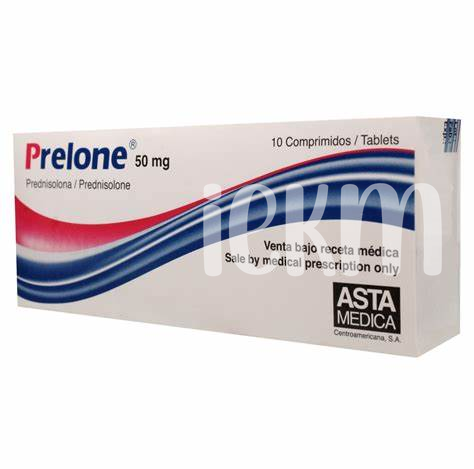
Imagine a worried parent told brief steroid use always needs a complicated taper. In fact, short courses of prelone (usually under two weeks) seldom require tapering in most patients.
Adrenal suppression is tied to dose and duration: prolonged, high-dose therapy can blunt the HPA axis, but brief, low-dose regimens carry minimal risk and are typically safe to stop.
Exceptions exist: children with prior adrenal problems, repeated steroid cycles, or concerning symptoms may need tapering. Clinicians tailor plans and monitor for fatigue, weakness, or poor appetite closely.
Most caregivers can breathe easier: follow your prescriber's instructions, complete the short course of medicine, and report any unexpected symptoms. Clear communication keeps treatment safe and effective for children.
Myth: Prelone Will Create Addiction in Children
A worried parent once asked why a brief prescription made them fear losing control — their child had been given prelone for wheeze. The clinician smiled and explained that steroids don’t trigger the craving or compulsive use typical of addiction; they work by damping inflammation, not rewiring reward circuits in the brain.
Long-term, high-dose corticosteroids can blunt the body's adrenal response, so doctors watch for physiological dependence and taper when needed — but this is different from addiction. For children, short courses of oral prednisolone (prelone) are common and safe when used as directed; clear communication about duration and follow-up removes most parental concerns. Ask your clinician if you have specific concerns about side effects.
Myth: All Side Effects Are Severe and Inevitable
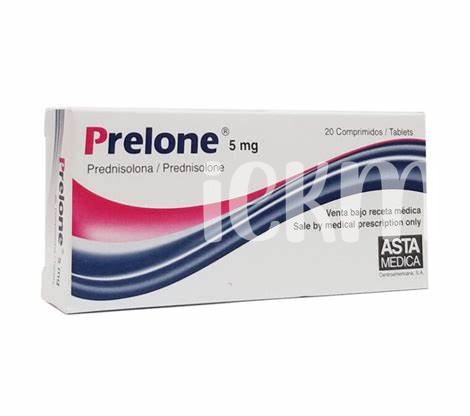
Parents often imagine the worst when a child starts prelone, picturing inevitable serious harm. In reality, most side effects are mild — temporary sleep changes, increased appetite, or mood swings — and they usually ease after treatment. Doctors monitor growth and behavior, choosing the lowest effective dose and the shortest necessary course.
Serious reactions can occur but are uncommon; when they do, early recognition allows prompt management. Clear communication between families and clinicians, periodic follow-up, and simple strategies—like adjusting timing of doses or addressing sleep hygiene—reduce risks. Balanced decision-making recognizes that untreated inflammation may itself cause harm, so the goal is safe, effective use rather than fear, and help preserve the child's daily functioning and wellbeing.
Myth: Prelone Makes Vaccines Ineffective or Dangerous
A parent remembers worrying before a clinic visit, fearing that a recent dose of prelone would sabotage upcoming immunizations. Scientists reassure families: typical short courses rarely blunt vaccine responses, and timing consultations allow doctors to schedule shots when the immune system will reliably respond again.
Severe interactions are uncommon; exceptions exist with prolonged high-dose therapy, which requires individualized advice. Trust clear communication: tell providers about recent corticosteroid use, and they’ll advise timing adjustments or antibody checks only when evidence suggests real risk, avoiding unnecessary delays in protecting children and families.
| Situation | Recommendation |
|---|---|
| Short course (<2 weeks) | Proceed with vaccination |
| Prolonged/high-dose | Consult provider |
Myth: Oral Solution Dosing Is Too Unreliable
When my neighbor's toddler needed a short course, I watched the nurse draw medicine into a syringe with calm precision. That moment showed me that liquid prescriptions can be delivered reliably when caregivers use proper techniques and tools.
Oral syringes, dosing cups with graduations, and clear labels cut ambiguity; pharmacies supply concentration information so doses can be calculated by weight. Small-volume doses become precise when measured to the correct line, and training—brief demonstrations or written instructions—reduces mistakes.
Simple habits help: shake bottles, measure at eye level, use the syringe tip in the cheek to avoid spitting, and verify unusual doses with the pharmacist. With the right equipment and guidance, liquid formulations are practical, safe, and often preferable for children and patients who can’t swallow tablets. Ask for a demonstration and an oral syringe at the pharmacy before you leave today.