

 Lasix for Heart Failure: Benefits and Risks
How Lasix Works: Rapid Fluid Relief and Mechanism
Short of breath and weighed down by swelling, many patients describe dramatic improvement within hours after a single dose. Furosemide works by blocking the Na+-K+-2Cl− cotransporter in the thick ascending limb of the loop of Henle, preventing sodium and chloride reabsorption. This triggers natriuresis and osmotic water loss, shrinking excess intravascular and interstitial fluid that causes pulmonary congestion and peripheral edema.
Intravenous administration can relieve symptoms within minutes, while oral tablets typically take thirty to sixty minutes; diuresis often continues for several hours. By reducing circulating volume and venous return, the drug lowers cardiac filling pressures and eases breathlessness, improving oxygenation and exercise tolerance. Its rapid fluid removal makes it a cornerstone in acute decompensated heart failure, though clinicians adjust dosing to balance symptom relief with electrolyte and renal monitoring. Prompt dosing decisions can rapidly restore comfort and reduce admissions.
| Route | Onset | Typical duration |
|---|---|---|
| IV | minutes (≈5–10) | 4–6 hours |
| Oral | 30–60 minutes | 6–8 hours |
Symptom Benefits: Easing Breathlessness and Reducing Swelling
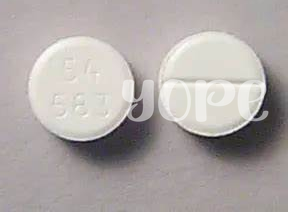
A patient gasps after climbing stairs, heart pounding and lungs heavy; a dose of lasix can quickly peel away wetness from the lungs, trading panic for easier breaths. That sudden drop in fluid feels dramatic—relief that patients describe as immediate and life-changing, restoring simple activities.
By increasing urine output and reducing circulatory volume, diuresis lowers pressure in congested lungs and tissues. Swelling in ankles and abdomen recedes, mobility improves, and oxygen delivery becomes more efficient. Clinicians tailor dosing to symptoms, balancing rapid symptomatic gains with careful assessment to sustain benefit without overshooting or causing harm.
Patients often report less nighttime coughing and fuller sleep after effective diuresis, translating to clearer thinking and daily confidence. While lasix delivers symptomatic rescue, it's one tool among therapies; follow-up, monitoring, and lifestyle measures help maintain reduced swelling and sustained relief over time.
Hospitalization and Quality of Life Impacts
Many people with heart failure and recurrent volume overload experience frequent hospital stays. Timely use of lasix often shortens admissions by rapidly reducing congestion, stabilizing breathing, and allowing transition from care back to home again.
Reduced unplanned admissions improves patient morale; fewer disruptions mean better adherence to medication and appointments. Clinicians report that effective diuresis with lasix can create a window for outpatient optimization of heart failure regimens and education.
Quality of life gains are often practical: less breathlessness, regained mobility, and renewed social activity. However, reliance on high-dose lasix without follow-up can mask progressive disease, delaying needed interventions and comprehensive care planning and monitoring.
Balancing hospital use and daily life requires individualized strategies: scheduled diuretic reviews, early outpatient diuresis clinics, and clear action plans for weight changes. Patients empowered with knowledge about lasix dosing avoid returns to emergency services.
Dosing Strategies: Titration, Routes, and Timing Tips

A clinician adjusts lasix like tuning an instrument, starting with low doses and observing response. Oral therapy may be increased gradually, while intravenous administration provides faster relief in acute settings. Careful titration balances symptom control against dehydration and electrolyte loss, guiding safe adjustments over time.
Timing matters: morning dosing reduces nocturia, but physicians may tailor schedules to daily activities and kidney function. Combination with thiazides or potassium supplements can offset imbalances. Regular labs and weight checks inform dose changes, and clear instructions improve adherence and reduce emergency visits, hospitalizations overall.
Risks and Monitoring: Electrolytes, Kidneys, and Hearing
A breathless patient learns that lasix can feel like an immediate relief, but the story quickly becomes clinical: diuresis shifts sodium, potassium, and magnesium, requiring routine laboratory checks to prevent unexpected imbalances.
Kidney function becomes a plot point: creatinine and estimated GFR guide dosing, because overdiuresis can provoke prerenal injury. Clinicians watch urine output and review medications that affect renal perfusion. They also track daily weights, blood pressure trends, and fluid balance.
Hearing can be an unexpected casualty with large or rapid IV doses: tinnitus and reversible sensorineural changes occur, especially with concurrent aminoglycoside therapy. Education and dose pacing reduce risk.
| Parameter | Monitor | When |
|---|---|---|
| Electrolytes | Na, K, Mg | Daily initially |
| Kidney | Creatinine, eGFR, urine | Baseline and after changes |
| Hearing | Symptoms, audiometry | With high dose or symptoms |
| Notify clinician | ||
Drug Interactions, Alternatives, and Combined Therapies
When Lasix is used with other medications, careful matching matters; ACE inhibitors, ARBs, NSAIDs and certain antibiotics can alter its effect, sometimes amplifying diuresis or blunting benefit.
Patients and clinicians often weigh options: thiazide diuretics, potassium-sparing agents, or newer agents like SGLT2 inhibitors may be chosen based on goals—blood pressure control, potassium conservation, or improving outcomes.
Combining therapies can be powerful: low-dose thiazide add-ons overcome loop diuretic resistance, and mineralocorticoid receptor antagonists reduce mortality in select heart-failure populations, but combinations increase monitoring needs.
Clear communication, dose adjustments and regular checks of electrolytes, renal function and hearing ensure benefits outweigh harms, turning complex regimens into manageable care plans for patients and families, with prompt follow-up visits.