

 Keflex and Alcohol: Can You Mix Them?
What Is Keflex and How It Works
Keflex, also known by its generic name cephalexin, is a commonly prescribed antibiotic falling under the category of cephalosporins. Doctors often hand out this Rx to treat a variety of bacterial infections. Available in tablet and liquid forms, it works by inhibiting the formation of bacterial cell walls, causing them to burst and eventually die. This makes Keflex an effective remedy for infections in the respiratory tract, skin, and urinary system.
When patients pick up their script, they might not realize the complexity behind this pharmaceutical elixir. Cephalexin specifically targets bacterial enzymes involved in cell wall synthesis, making it a highly specialized compound medication. Understanding this mechanism helps patients appreciate why it's crucial to complete the full course of antibiotics, even if symptoms improve.
| Form | Dosage |
|---|---|
| Tablet | 250mg, 500mg |
| Liquid | 125mg/5mL, 250mg/5mL |
Common Uses of Keflex in Medicine
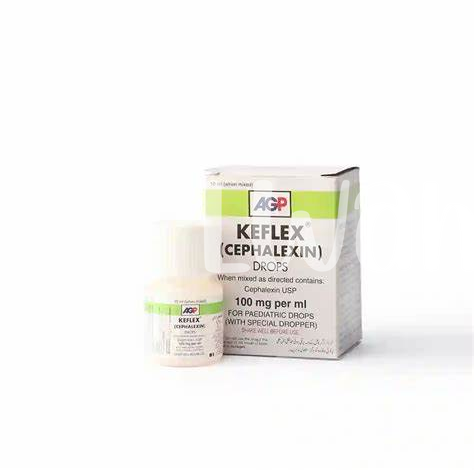
Keflex, known generically as cephalexin, is a versatile antibiotic widely used in medical settings. It's quite common to see it on scripts for treating various bacterial infections, including respiratory tract infections, skin infections, and urinary tract infections. Physicians often consider Keflex a go-to option because it's a part of the Top 200 most prescribed medications, having a broad spectrum of action against both Gram-positive and Gram-negative bacteria. People might not realize, but following the sig for Keflex diligently can ensure the drug's effectiveness while minimizing the risk of developing antibiotic resistance.
Understanding How Alcohol Affects the Body
Alcohol is absorbed rapidly into the bloodstream, leading to various effects ranging from mild euphoria to impaired judgment and coordination. Over time, chronic alcohol use can result in liver damage, affecting the liver's ability to process medications like Keflex effectively. When combined with other substances, such as comp medications, alcohol can amplify or alter their effects, potentially causing unexpected side effects.
The body prioritizes metabolizing alcohol first, which can interfere with the metabolism of other drugs. For patients on Keflex, this competition can lead to reduced effectiveness or increased risk of side effects. Adding alcohol to the mix can complicate the medication's intended action, necessitating a close eye on sig and interactions, particularly for those with existing health issues.
Interaction between Keflex and Alcohol
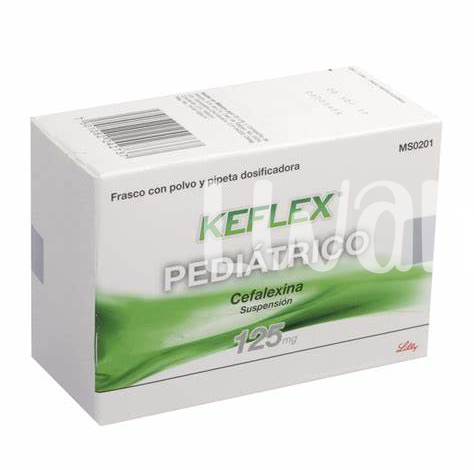
Keflex, a common script for bacterial infections, operates by targeting and interfering with bacterial cell walls, rendering them vulnerable and ultimately causing them to rupture. On the other hand, alcohol affects the body by acting as a central nervous system depressant, altering brain function and bodily responses. When these two are mixed, the interaction can be unpredictable and potentially harmful. For example, alcohol can magnify side effects such as dizziness and gastrointestinal issues.
Additionally, Keflex requires optimal functioning of the immune system to effectively combat infections. Consuming alcohol, especially in significant quantities, can compromise immune responses. It's similar to a cocktail you wouldn't want at a pharm party, mixing elements that can disrupt the body's healing processes and delay recovery. For these reasons, understanding the interactions and taking precautions is crucial.
Potential Risks of Mixing Keflex with Alcohol
Mixing alcohol with Keflex can lead to several potential risks. Firstly, alcohol and Keflex both require processing by the liver, and combining the two can overload the liver, potentially leading to liver damage or failure. This is a significant concern as the liver is crucial for detoxifying the body. Secondly, alcohol consumption can exacerbate some of the side effects of Keflex, such as nausea, vomiting, and dizziness. This magnified impact can severely affect a patient's ability to adhere to the prescribed dosing schedule or the "Sig" provided on their "Script."
Moreover, drinking alcohol while taking Keflex can weaken the immune system, making it less efficient at fighting the infection that Keflex is meant to treat. The "Count and Pour" process of filling such prescriptions underscores the importance of taking medications correctly for them to be effective. Additionally, the interaction between alcohol and Keflex can reduce the antibiotic's effectiveness, potentially leading to a longer recovery period or incomplete eradication of the infection, necessitating another round through the "Drive-Thru."
| Risk | Description |
|---|---|
| Increased Side Effects | Nausea, vomiting, dizziness exacerbated by alcohol. |
| Liver Overload | Potential liver damage due to combined processing of alcohol and Keflex. |
| Reduced Effectiveness | Alcohol can interfere with Keflex's ability to combat infections. |
Expert Recommendations and Safety Precautions
When combining Keflex and alcohol, it's essential to exercise caution for your health and safety. Experts emphasize that consuming alcohol while on Keflex can exacerbate side effects such as dizziness and stomach upset. To ensure optimal efficacy of your script, it’s best to avoid alcohol to prevent any adverse interactions.
While some may think a small drink won't hurt, it’s crucial to follow the Sig on your prescription carefully. Ignoring these directions can lead to complications and prolong recovery. Always consult your healthcare provider for personalized advice.
Safe use of medications includes understanding potential interactions. Avoid "Pharm Party" scenarios, where mixing various substances could lead to unpredictable and hazardous outcomes. Prioritize your well-being by keeping these considerations in mind.