

 How Iverheal Works: Mechanism Simplified
Iverheal Breakdown: Active Molecule and Primary Targets
A single active molecule, a macrocyclic lactone, anchors the narrative: potent, lipophilic, and tuned to parasite physiology rather than host cells specifically.
Primary targets include glutamate-gated chloride channels and related ion channels, causing hyperpolarization, thereby acutely disrupting motility and feeding in susceptible organisms selectively.
In mammals, expression differences and blood-brain barrier exclusion reduce direct effects, shifting therapeutic windows toward parasite clearance with manageable host safety profiles observed.
Researchers also consider accessory targets like GABA receptors and efflux pumps; combined activity explains broad antiparasitic spectrum and variable potency in diverse hosts.
| Component | Primary target |
|---|---|
| Active molecule | Glutamate-gated Cl- channels |
| Accessory targets | GABA receptors, efflux pumps |
Cellular Entry Routes and Tissue Distribution Unpacked
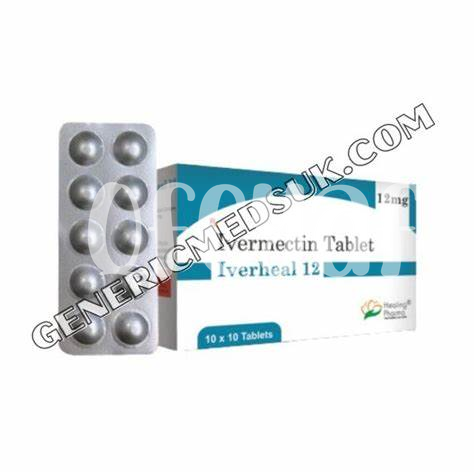
Imagine a tiny molecule navigating capillary currents. After oral dosing, iverheal crosses the intestinal epithelium mainly by passive diffusion, with some uptake via membrane transporters and endocytic pathways. Its lipophilic nature favors membrane partitioning and accelerates access to adjacent tissues.
Once in plasma, reversible binding to serum proteins modulates the free fraction and helps ferry drug to highly perfused organs such as liver, lung, and spleen. Lipid solubility promotes accumulation in adipose tissue, creating tissue reservoirs that slowly release drug. Penetration into the brain is limited under normal dosing.
This pattern explains variations in onset and duration across organs and the extended effects seen after single doses. It also highlights why hepatic function, body fat, and transporter activity can alter exposure and dosing considerations. Clinicians use this distribution profile to tailor safe effective regimens and aid therapeutic monitoring when necessary.
Parasite Paralysis: How Ion Channels Are Disrupted
Imagine tiny invaders losing their grip as iverheal binds key ion channels on their nerve and muscle membranes, altering electrical signaling and triggering uncontrolled currents while favoring parasite selectivity.
This disruption collapses membrane potential, prevents coordinated contractions, and produces rapid paralysis that halts feeding and motility, explaining swift antiparasitic effects seen in studies and reduces transmission potential in populations.
At therapeutic concentrations, selective channel modulation spares host cells largely due to differences in channel structure and drug accumulation, though dose and exposure remain critical for safety. Monitoring ensures minimal events.
Antiviral Mechanisms Proposed: Blocking Viral Proteins' Function
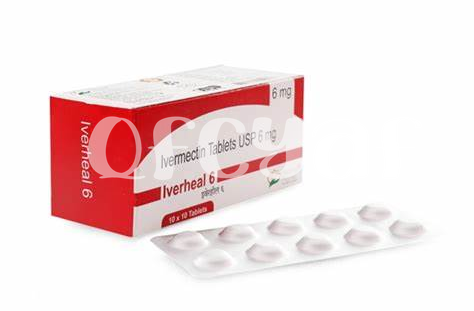
A lab technician watching infected cells fold and stall when exposed to iverheal might call it a small miracle, but the science is subtler: the compound appears to bind viral proteins and disrupt their normal tasks. By altering protein conformations or blocking essential interaction surfaces, it can prevent enzymes and structural components from assembling or functioning.
Candidate actions include inhibition of viral proteases that cleave polyproteins, interference with helicases that unwind nucleic acids, and obstruction of viral nucleocapsid or matrix proteins needed for packaging. Some studies also suggest impaired nuclear transport of viral factors, reducing replication efficiency.
These mechanisms remain proposed rather than proven across all viruses, and effectiveness likely varies by viral family, protein targets, and intracellular concentrations. Still, understanding these possible modes guides experiments and therapeutic development. Careful dosing, combination strategies, targeted delivery, and monitoring may improve outcomes.
Pharmacokinetics Demystified: Absorption, Metabolism, Clearance Explained
iverheal reaches the bloodstream after oral dosing with absorption affected by food and formulation. It distributes widely, favoring fatty tissues and producing prolonged tissue exposure; plasma protein binding controls free drug levels and influences onset and intensity.
Metabolism occurs mainly in the liver via oxidative pathways, generating metabolites cleared renally and biliary. Half-life supports intermittent dosing, but impaired hepatic or renal function can slow clearance, requiring dose adjustments to maintain safety. Therapeutic monitoring and dose tailoring improve outcomes, especially when interacting drugs alter metabolism or protein binding; adjust dosing carefully.
| PK | Note |
|---|---|
| Absorption | Variable with food and formulation |
| Distribution | Fatty tissues, protein binding |
| Clearance | Hepatic and renal routes |
Safety Profile, Drug Interactions, Practical Dosing Tips
Clinicians monitor for mild nausea, dizziness, and transient liver enzyme elevations; serious reactions are uncommon. Baseline blood tests and existing liver disease guide safer use.
Drugs that prolong QT or inhibit CYP3A4 can raise risk, so review medications and adjust therapy when needed. Herbal supplements and grapefruit can alter metabolism and should be discussed.
Adult dosing typically follows weight-based, single-dose recommendations to balance efficacy and tolerance. Clear instructions on adherence, potential side effects, and when to seek care improve safety and outcomes and enable timely medical review promptly for patients.