

 Managing Hypoglycemia While on Glucotrol Xl
Spotting Early Low Blood Sugar Warning Signs
Walking to the car one afternoon, a sudden tremor and clammy palms snapped my attention to my body. Those early, fleeting sensations — sweating, heart racing, mild confusion and intense hunger — often arrive before numbers on a meter fall dramatically. Learning to notice patterns in mood shifts, shakiness, blurry vision or difficulty concentrating gives you vital minutes to act before symptoms worsen.
Carry quick-acting carbs, test when you notice warning signs and tell close contacts how to help. Continuous or fingerstick checks confirm feelings versus false alarms; silent episodes can occur, especially at night. Track episodes and share patterns with your clinician so medications or timing can be adjusted to reduce future risk significantly.
| Symptom | Immediate Action |
|---|---|
| Sweating/shakiness | Check glucose; eat 15g fast carbs (juice, glucose tablets) |
| Confusion/blurred vision | Test, sit down, get assistance if needed |
Timing Meals to Prevent Blood Sugar Dips
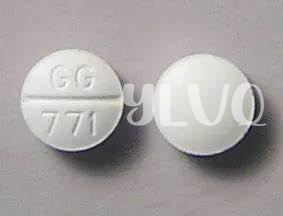
Morning routines changed when I started taking glucotrol xl; I learned to anchor meals to my dosing schedule so lows rarely surprise me. Eating within thirty to sixty minutes after waking and then every three to four hours helps steady energy. Small protein-rich snacks between meals blunt sugar swings.
Plan meals around activity: a light carb plus protein before exercise prevents dips, and carrying fast-acting glucose stops an emerging low. Discuss timing adjustments with your clinician — small dose or meal tweaks can make long-acting sulfonylureas safer while preserving glucose control.
Adjusting Sulfonylurea Doses Safely with Your Clinician
When I first began noticing unexpected lows, my clinician and I treated dose changes like experiments: small, measured, reversible. We reviewed my glucotrol xl schedule, home glucose logs and continuous monitor trends, then discussed kidney function, meal patterns and other medications that raise hypoglycemia risk. Rather than abrupt stops, we agreed on modest reductions and timing tweaks, with clear instructions for extra testing during the transition.
Follow-up visits were scheduled within days so changes could be evaluated and reversed if lows persisted. My provider emphasized blood sugar targets, recognition of symptoms, and when to call for help. Dosage adjustments are individualized: age, activity, meals and organ function all matter. Never alter sulfonylurea doses alone; use objective glucose data and clinician guidance to balance safe control with reduced hypoglycemia risk, documenting effects to refine therapy and carry prescribed rescue glucagon kits.
Practical Continuous Glucose Monitoring and Testing Tips
I tap the CGM and watch a steady line creep down; that quiet signal often says more than a number. Real-time trends help you spot coming lows before symptoms begin, turning surprise hypoglycemia into a solvable puzzle.
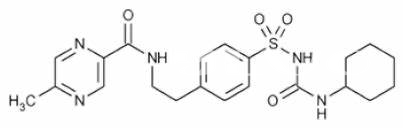
Treat the sensor as your partner: set low and urgent alarms, replace sensors on schedule, and confirm unexpected readings with a fingerstick—especially when taking glucotrol xl or other sulfonylureas. Calibration and consistent placement reduce false alerts; keeping a quick log of meals, activity and doses sharpens pattern recognition.
Use trend arrows to act early, and program different alarm thresholds for sleep and activity. Share CGM reports with your clinician to fine-tune therapy and testing routines, and keep a small meter handy for backup when you need definitive numbers. Teach a partner basic responses and keep glucagon accessible, labelled, and easy to use nearby.
Immediate Treatment with Fast Carbs and Glucagon
On a rainy afternoon I felt the first woozy flutter that warns of falling sugar; I reached for orange juice and a glucose tab, knowing speed matters when you're on glucotrol xl. Quick carbohydrates — juice, glucose gels, or candies — often reverse symptoms within 10 to 15 minutes.
Carry a simple kit and teach family members how to help: show them where juice, glucose tablets, and a glucagon kit live. If the person becomes unconscious or cannot swallow, emergency glucagon—ready-to-use nasal or injectable forms—can be lifesaving; then call for medical help.
After treating, recheck glucose and eat a balanced snack if the next meal is more than an hour away to avoid rebound lows. Discuss patterns with your clinician to consider dose adjustments or timing changes when using sulfonylureas like glucotrol xl, and wear a medical ID.
| Item | Typical Dose / Action |
|---|---|
| Orange juice | 4 oz (≈15 g carbs) |
| Glucose tablets | 3–4 tablets (≈15 g) |
| Glucagon kit | Nasal or injectable; use if unconscious |
Lifestyle Changes to Reduce Low Blood Sugar Risk
I began tracking meals, snacks, exercise and sleep; patterns showed when lows were likely. Regular, balanced meals with protein and fiber became anchors that kept my sugar steadier.
Portion control and avoiding long gaps between eating made a big difference. Small, planned snacks before activity prevented unexpected drops.
Moderating alcohol, which masked symptoms for me, was essential; I learned safe limits and paired drinks with food. Hydration and consistent sleep also improved my glucose stability.
Sharing routines with my clinician helped fine-tune medication timing and doses. These practical adjustments turned anxiety about sudden lows into manageable habits. I now feel more confident during travel or busy days, planning snacks and alarms to avoid surprises altogether.