

 Clonidine Withdrawal: Symptoms and Safe Tapering Strategies
Spotting Rebound Hypertension and Autonomic Chaos Early
A sudden rise in blood pressure after stopping clonidine can feel like the body snapping awake: pounding headache, flushing, and a racing heart. Early recognition matters — measurements above usual levels, repeated spikes, or palpitations with lightheadedness suggest rebound hypertension and sympathetic overdrive. Don’t dismiss repeated readings or symptoms as anxiety alone.
Monitor blood pressure several times daily, record readings, and note associated signs like sweating, tremor, nausea, breathing changes or dizziness. If systolic pressure rises suddenly by 20–30 mmHg, or symptoms escalate to chest pain, fainting, severe headache or confusion, seek immediate care. Early contact with your clinician can guide temporary reinstatement or safe taper adjustments to prevent dangerous autonomic instability and reduce risk.
| Sign | Recommended Action |
|---|---|
| BP spike ≥20 mmHg | Contact clinician for advice |
| Chest pain or fainting | Seek emergency care |
Emotional Rollercoaster: Anxiety, Insomnia, Mood Swings

Night after night, sleep slips away as racing thoughts and jittery tension build — a common rebound when stopping clonidine. Patients often describe sometimes intense jolts of panic that feel unpredictable.
Days can bring mood swings that surprise loved ones, the person withdrawing. Irritability, tearfulness and low motivation are common; framing them as temporary helps patients and carers respond with patience.
Practical steps ease symptoms: routine sleep hygiene, breathing exercises, and gradual activity boosts. Clinicians may adjust tapering of clonidine or add short-term therapies when distress is severe or persistent too.
Bodily Signals: Tremors, Headaches, Nausea, Sweating
Your body can speak loudly when clonidine is stopped; small shakes or visible tremors may arrive suddenly, especially during the first days. Headaches often follow, ranging from dull pressure to sharp pain, and can be worsened by elevated blood pressure or poor sleep. Nausea may undermine appetite and energy, while drenching sweats interrupt rest and increase dehydration risk.
Recognizing these signals early helps you act: measure blood pressure, hydrate, rest, and contact your clinician if symptoms intensify. Gradual tapering and symptom-targeted treatments often ease the course, but persistent or severe signs warrant urgent evaluation to prevent complications. Keep a written log of symptoms and medication changes to share at your appointments for safer, personalized decisions.
Safe Taper Plans: Timing, Dosing, Individualization Essentials
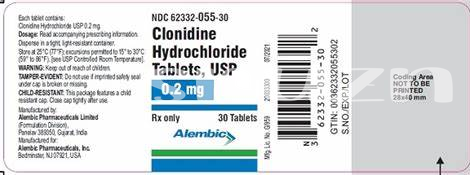
When stopping clonidine, think of tapering as stepping down a staircase rather than leaping off a cliff. Gradual reductions over weeks allow the nervous system to recalibrate; abrupt changes often trigger rebound symptoms. A common approach is reducing dose 10–25% every 1–2 weeks, but that’s a guideline.
Personal factors—duration of use, starting dose, co‑medications, and history—shape pace. Patients may need monthly intervals or smaller decrements, while others tolerate faster schedules. Track blood pressure, heart rate and withdrawal signs to guide adjustments.
Coordinate with clinician to set benchmarks and contingency plans for flares. Rescue measures can include temporary dose stabilization, adjunctive therapies, or pausing taper. Patience, documentation and communication are the safest tools for successful transition.
Red Flags Requiring Urgent Medical Attention Immediately
Imagine waking up with a pounding head and a blood pressure spike that feels like a drumbeat—if clonidine is being stopped, some symptoms demand immediate help. Severe, sudden chest pain; fainting or near-fainting; hard-to-control, extremely high blood pressure; racing heart or palpitations that make breathing difficult; and new-onset seizures or confusion are not typical taper discomforts. These signs can signal dangerous rebound hypertension or autonomic collapse and should prompt emergency evaluation. Time matters: bring medication details, dose history and last-dose timing to clinicians immediately.
Also watch for persistent vomiting, high fever, uncontrolled shaking, or profound disorientation; if shortness of breath, blue lips, or loss of consciousness occur, call emergency services right away. Keep a list of current doses and the taper schedule handy for clinicians, and do not attempt to self-manage severe reactions—rapid medical assessment and stabilization can be lifesaving.
| Symptom | Urgent Action |
|---|---|
| Severe chest pain | Call emergency services |
| Loss of consciousness | Immediate EMS; CPR if needed |
Practical Support: Lifestyle Changes, Alternatives, Monitoring
When withdrawal symptoms surface, anchor yourself with daily habits: prioritize sleep, gentle aerobic activity, hydration and moderate sodium, and avoid caffeine, nicotine and alcohol that amplify jitters and blood pressure spikes. Check blood pressure at home twice daily during the early phase, record readings, and practice brief breathing or muscle-relaxation to calm autonomic storms between appointments.
Talk with your clinician about nonpharmacologic options such as cognitive behavioral therapy, mindfulness, or safer medication transitions if needed. Keep an emergency plan listing who to call and criteria for urgent care—severe headache, chest pain, fainting, or very high blood pressure. Regular follow-up, collaboration with pharmacists, and small dose adjustments steadily reduce risk and rebuild patient confidence during recovery.