

 Cellcept Versus Azathioprine: Choosing the Right Drug
Understanding How the Two Drugs Work Differently
Imagine two locksmiths working on the immune system: one targets a single tumbling pin, the other reshapes the whole lock. Mycophenolate (Cellcept) is converted to mycophenolic acid and inhibits inosine monophosphate dehydrogenase, blocking guanine nucleotide synthesis in lymphocytes. That selective blockade curbs T- and B-cell proliferation with relatively targeted immunosuppression.
Azathioprine acts broadly: metabolized to 6-mercaptopurine it interferes with purine synthesis and incorporates into DNA, affecting rapidly dividing immune and nonimmune cells. Thiopurine methyltransferase activity alters toxicity and efficacy, producing variable myelosuppression. Clinically this yields slower onset, wider side-effect profile, and different monitoring needs—factors that guide which drug fits a given patient. Shared decision-making weighs potency, tolerability, TPMT/genetic testing, comorbidities, and interactions for optimal individualized care.
| Feature | Cellcept (mycophenolate) | Azathioprine |
|---|---|---|
| Mechanism | IMPDH inhibition; blocks guanine synthesis | Prodrug to 6‑MP; inhibits purine synthesis and incorporates into DNA |
| Target | Selective lymphocytes (T and B) | Broader rapidly dividing cells |
| Onset | Faster immunosuppressive effect | Slower onset |
| Metabolism / Monitoring | GI effects, renal considerations | TPMT testing; higher myelosuppression risk |
Comparing Effectiveness Across Conditions and Patient Groups
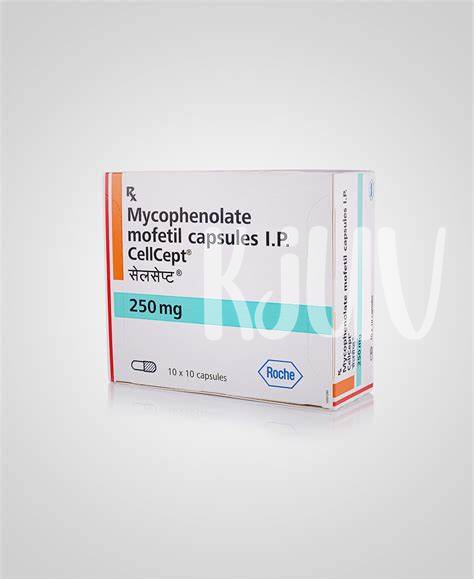
Clinicians often weigh how each drug performs in different diseases. For example mycophenolate sold as cellcept shows strong results in lupus nephritis and certain organ transplants, often reducing rejection and proteinuria where azathioprine is less potent.
Azathioprine remains valuable for maintenance therapy in inflammatory bowel disease and some autoimmune hepatitis cases, especially when cost or tolerance guide choices. Head to head trials vary by indication, so efficacy can depend on disease severity, prior treatments, and concomitant immunosuppression.
Patient factors such as age, comorbidities, TPMT or genetic testing, and pregnancy plans shift benefits and risks. Shared decision making and careful monitoring, with dose adjustments as needed, usually lead to better individualized outcomes over the long term.
Side Effect Profiles Risks Warnings Long Term Concerns
At the clinic, patients often ask which therapy will shape their future quality of life. One medication may bring fatigue and nausea, another changes blood counts and infection susceptibility. Framing side effects as manageable challenges helps people make informed, individualized choices.
With cellcept, clinicians monitor bloodwork closely; bone marrow suppression and gastrointestinal upset can emerge. Azathioprine carries its own risk profile, including liver enzyme changes and hypersensitivity. Risk communication empowers patients to spot early warning signals and report them promptly.
Long-term concerns include malignancy risk, fertility effects and chronic infections. Regular screening, vaccination review and dose adjustments reduce harm. Shared decision-making balances disease control against these uncertainties, carefully tailoring surveillance intensity to each person’s context.
Monitoring Needs and Lab Tests for Safe Use
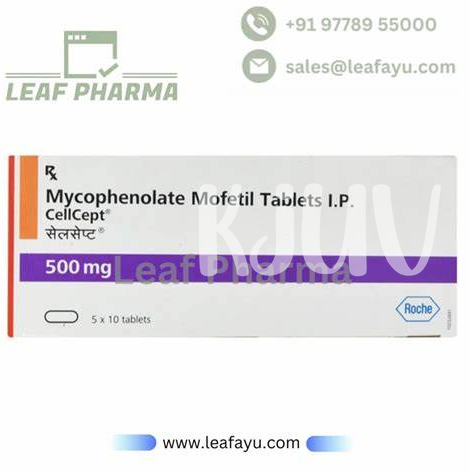
Baseline testing—complete blood count, hepatic and renal panels, and pregnancy screening—anchors safe treatment. Regular follow-up labs reveal bone marrow suppression, hepatotoxicity, or declining renal function before symptoms appear, allowing timely dose changes or therapy switches.
For azathioprine, TPMT or NUDT15 testing helps predict myelosuppression risk; for cellcept, drug-level monitoring is occasionally used in transplant settings. Viral surveillance and urine or imaging studies may be added based on clinical risk.
Frequency varies—initial checks every few weeks, then spaced monthly to quarterly depending on stability and indication—but plans must be individualized. Patients should report fevers, bruising, or unusual fatigue promptly; coordinated care between specialist and primary provider ensures laboratories, vaccinations, and dose adjustments happen reliably and promptly.
Special Populations Pregnancy Elderly Transplant Autoimmune
An individualized approach matters when treating clinical groups: expectant mothers require cautious choice because fetal risk and teratogenicity shape decisions; older adults often need dose adjustments for decreased renal function and interacting drugs. Organ recipients face balancing rejection prevention with infection risk, and people with immune-mediated diseases may respond differently to cellcept versus alternatives. Shared decision making, clear counseling about reproductive planning, and coordination with specialists reduce harm and optimize outcomes.
Routine monitoring and proactive adjustments make therapies safer: therapeutic drug levels, blood counts, liver and renal panels and infection surveillance guide dosing. Vaccination status, fertility counseling, and geriatric assessment influence candidacy. Cost, adherence potential, and comorbidities also determine the right choice; thoughtful follow-up and rapid response to adverse signs preserve benefits while minimizing long-term complications.
| Group | Action |
|---|---|
| Expectant | Specialist counseling |
| Older | Renal dosing |
| Organ | Infection monitoring |
| Immune-mediated | Tailored therapy |
Cost Accessibility and Choosing the Right Candidate
Price differences and insurance rules often steer treatment choices. Azathioprine’s long generic history makes it more affordable for many, while mycophenolate formulations can incur higher copays or require prior authorization.
Access programs, mail order pharmacies and generic options reduce out of pocket burden; timely insurance appeals can matter. Clinicians weigh affordability against efficacy, adherence likelihood, and monitoring capacity.
Ideal candidates are selected by clinical profile and social context, fertility desires, comorbidities, ability to attend labs, and cost sensitivity. Shared decision making ensures the chosen regimen is both effective and sustainable.